Introduction
Every growing business eventually faces a critical turning point—when the systems that once supported success begin to hold it back. In manufacturing, this moment often arrives quietly, signaled by missed deadlines, inconsistent quality, or unexpected costs. Recognizing these signs early can mean the difference between stagnation and scalable success.
This article explores five key signals you’ve outgrown your current manufacturing setup. Each one reveals a structural or strategic limitation that prevents your operations from scaling effectively. By understanding these signals, you can take proactive steps to upgrade your processes, partnerships, and production models before they impact your brand’s reputation or profitability.
Whether you’re an e-commerce brand scaling production or an engineering team managing complex hardware, knowing when to evolve your manufacturing setup is essential. We’ll also discuss how integrated partners like One Stack can help you transition smoothly toward a more flexible, efficient, and globally competitive manufacturing ecosystem.
Signal 1: Quality Inconsistency Is Becoming the Norm
When product quality starts to fluctuate, it’s often the first—and most visible—indicator that your manufacturing setup is no longer aligned with your growth stage. Consistency is the foundation of brand trust, and losing control over it signals deeper systemic issues.
Frequent Reworks and Returns Erode Profitability
If you’re seeing an increase in defective units or customer complaints, it’s not just a quality problem—it’s a profitability issue. Every rework, return, or replacement adds hidden costs. Over time, these inefficiencies compound, draining both resources and reputation.
Supplier Oversight Becomes Increasingly Complex
As production scales, managing multiple suppliers without centralized oversight often leads to inconsistent outcomes. Without standardized quality control frameworks, each factory interprets specifications differently, creating variability between batches.
Lack of Standardized Testing and Documentation
Small-scale setups often rely on informal inspection processes. However, as volumes increase, this approach becomes unsustainable. Implementing systematic testing, traceability, and documentation ensures every product meets defined standards—an area where integrated manufacturing partners excel.
When quality assurance becomes reactive rather than proactive, it’s a clear sign that your current manufacturing model has reached its limit.
Signal 2: Production Timelines Are No Longer Predictable
Unpredictable delivery schedules are another strong indicator that your manufacturing setup can’t keep pace with your business’s growth. Missed deadlines often stem from fragmented communication, inefficient workflows, or overextended facilities.
Chronic Delays Point to Capacity Strain
When your production partner continually pushes back delivery dates, it often means they’ve exceeded their operational capacity. Without scalable infrastructure, even minor disruptions can cascade into major schedule overruns.
Lack of Real-Time Visibility Into Production Progress
Modern manufacturing relies on data transparency. If you can’t monitor progress, lead times, or potential bottlenecks in real time, you’re effectively operating blind. This lack of visibility makes planning, forecasting, and customer communication far more difficult.
Reactive Instead of Predictive Scheduling
Relying on manual tracking or guesswork often results in reactive scheduling. Advanced setups leverage digital systems and data analytics to anticipate delays and adjust workflows proactively—something traditional setups rarely offer.
When timelines become uncertain, scalability and customer trust are at risk. Predictability is not a luxury—it’s a necessity for sustainable growth.
Signal 3: Costs Are Rising Faster Than Output
Escalating production costs without proportional output gains indicate inefficiency within your manufacturing system. This imbalance often emerges as you attempt to scale using outdated or fragmented setups.
Hidden Costs Accumulate Across the Supply Chain
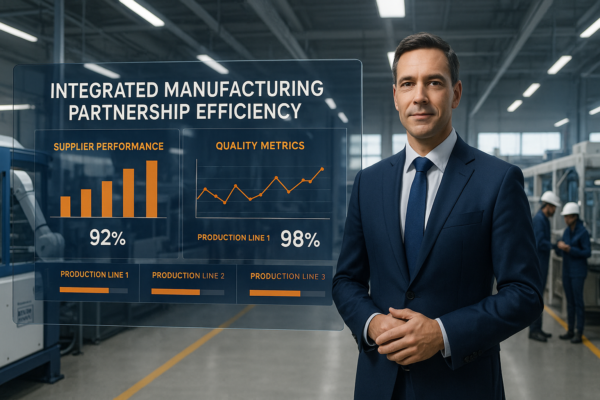
From logistics delays to material waste, hidden costs can quickly erode margins. Without integrated oversight, identifying these inefficiencies becomes nearly impossible. A single-point partner can consolidate visibility and control, minimizing waste across the entire process.
Economies of Scale Aren’t Being Realized
If your cost per unit remains static—or worse, increases—as volumes grow, your setup isn’t optimized for scale. True scalability means achieving cost efficiencies through process standardization and automation.
Frequent Changeovers and Manual Processes
Outdated machinery or manual assembly steps may have worked at small volumes but become bottlenecks at scale. Modern facilities leverage flexible manufacturing systems that adapt quickly to design or demand changes.
When costs rise faster than revenue, it’s time to rethink your manufacturing economics and adopt a model that supports efficiency through integration.
Signal 4: Communication Breakdowns Are Increasing
As manufacturing networks expand, communication complexity multiplies. Managing several factories, suppliers, and logistics partners without unified coordination often leads to misalignment and costly misunderstandings.
Information Silos Create Operational Blind Spots
When design, procurement, and production teams operate in isolation, miscommunication is inevitable. Without a central communication hub, updates get lost, and version control becomes a nightmare—especially during design revisions or product iterations.
Slow Decision-Making Impacts Agility
In today’s fast-moving markets, speed is a competitive advantage. Delayed responses to quality issues or specification changes can result in missed opportunities or costly rework. Streamlined communication frameworks eliminate these friction points.
Multiple Points of Contact Increase Complexity
Working with several independent suppliers often means juggling multiple contacts, languages, and time zones. A single integrated partner, like One Stack, simplifies communication by providing one accountable point of contact for the entire project lifecycle.
If communication feels more like coordination chaos, your setup has outgrown its original design. Clear communication pathways are essential for scalability and control.
Signal 5: Innovation Has Slowed to a Crawl
Perhaps the most subtle but dangerous sign of all—when your manufacturing setup limits your ability to innovate. A stagnant production environment stifles creativity, delays product launches, and erodes your competitive edge.
Prototype Development Takes Too Long
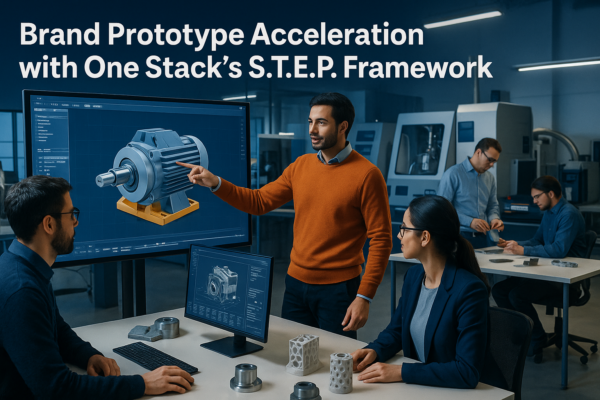
Rapid prototyping is the lifeblood of innovation. If it takes months to test new designs or materials, your setup is inhibiting agility. Integrated manufacturing ecosystems enable faster iteration through streamlined design-to-sample workflows.
New Product Introductions Face Resistance
Some factories resist process changes or new technologies due to legacy systems or skill gaps. This resistance limits your ability to experiment, adapt, or respond to market trends effectively.
Lack of Collaboration Between Design and Production
Innovation thrives when design and manufacturing teams collaborate closely. If these functions operate separately, valuable insights from the factory floor never reach your design team. One Stack bridges this gap by integrating both disciplines under one roof.
When innovation slows, it’s not just a technical problem—it’s a strategic one. Your manufacturing setup should accelerate creativity, not constrain it.
Transitioning to a Scalable Manufacturing Model
Recognizing the signals is only the first step. The real transformation happens when you take deliberate action to modernize your manufacturing ecosystem. This section explores how to transition effectively.
Map Your Current State and Pain Points
Start by auditing your existing operations—identify where delays, quality issues, or cost overruns originate. Visualizing your end-to-end process helps reveal inefficiencies and prioritize improvements.
Consolidate Partners and Centralize Accountability
Working with multiple vendors might seem flexible, but it often fragments control. Consolidating under a single integrated partner provides clarity, speed, and accountability across the entire product lifecycle.
Leverage Data and Digital Tools for Visibility
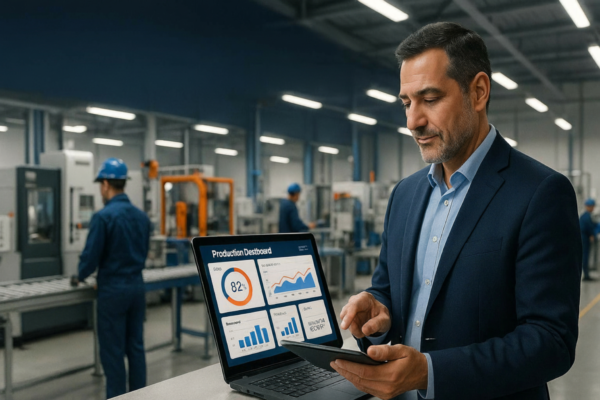
Adopting digital dashboards, real-time tracking, and predictive analytics transforms decision-making. Visibility enables proactive management—anticipating issues before they become costly problems.
Invest in Scalable Infrastructure and Local Advantage
Egyptian manufacturing offers a unique balance of quality and cost efficiency. By leveraging regional capabilities, brands can scale production competitively while maintaining global standards.
Transitioning to a scalable model isn’t just about upgrading equipment—it’s about redefining how your entire manufacturing ecosystem operates.
Building a Future-Proof Manufacturing Partnership
Future-proofing your manufacturing strategy requires more than short-term fixes. It demands a structural shift toward integrated, transparent, and agile partnerships that evolve with your business.
Seek End-to-End Capabilities
From design to production, working with a partner that covers every stage ensures alignment and control. One Stack’s model of managing everything under one umbrella eliminates the friction of multi-supplier coordination.
Prioritize Transparency and Predictability
Future-ready manufacturing thrives on data-driven transparency. Clear pricing, defined timelines, and measurable KPIs help maintain trust and accountability throughout the process.
Adopt Continuous Improvement as a Mindset
Even the best systems can stagnate without ongoing optimization. Regularly reviewing processes, adopting new technologies, and gathering feedback from production teams sustain long-term excellence.
Future-proof manufacturing isn’t about reacting to change—it’s about anticipating it. With the right partner, clarity, speed, and control become your greatest competitive advantages.
Conclusion
Outgrowing your manufacturing setup is a natural part of business evolution. The challenge lies in recognizing the signs early and responding strategically. Quality issues, unpredictable timelines, rising costs, communication breakdowns, and stalled innovation all point to one conclusion: your current model can’t support your next stage of growth.
Transitioning to an integrated, scalable manufacturing ecosystem provides the clarity and control needed to sustain growth. With partners like One Stack, you gain access to a network of certified Egyptian factories, transparent project management, and end-to-end accountability—allowing you to focus on innovation while production runs smoothly.
Every successful brand eventually redefines its manufacturing foundation. The sooner you act on these signals, the faster you can transform limitations into opportunities and build a manufacturing system ready for the future.