Introduction
Brand‑builders don’t lose launches because of weak demand — they lose them to unreliable timelines. Miss a seasonal window and you don’t just delay cashflow; you sacrifice shelf space, ad momentum, and pricing power. In Egypt’s fast‑moving retail cycles, “two weeks late” can translate to “quarter missed.”
The Real Cost of Late Deliveries
Delayed deliveries trigger:
- Lost revenue windows: Promotions and PO commitments slip.
- Brand erosion: Retailers downgrade reliability ratings. – Inventory distortion: Safety stock bloat + emergency air freight.
- Marketing waste: Paid campaigns launch without product.
Conservative estimate: timeline failures can wipe out 20–30% of the period’s potential revenue due to missed windows and discounting pressure
Conservative estimate: timeline failures can wipe out 20–30% of the period’s potential revenue due to missed windows and discounting pressure
Root Causes (And Why They’re Predictable)
- Fragmented vendor chains → no single accountable owner.
- Opaque production progress → teams plan blind.
- No contingency capacity → one bottleneck halts the line.
- Late DFM decisions → reworks push sampling and PP dates.
The One Stack Answer: The S.T.E.P. Framework for On‑Time Delivery
S — System. Codified milestones from brief → DFM → samples → PP → mass production → QA → ship. Every stage has entry/exit criteria and documentation.
T — Team. Dedicated PM + Sourcing + QA + Logistics. One accountable owner; zero vendor ping‑pong.
E — Expertise. Cross‑category playbooks prevent late‑stage surprises (materials, tolerances, packaging, compliance).
P — Partners. A vetted network (200+ factories) with performance scoring and backup capacity for load balancing.
How It Translates to Timeline Reliability
- Capacity routing: If Factory A slips, we reroute sub‑assemblies to Factory B/C in‑network.
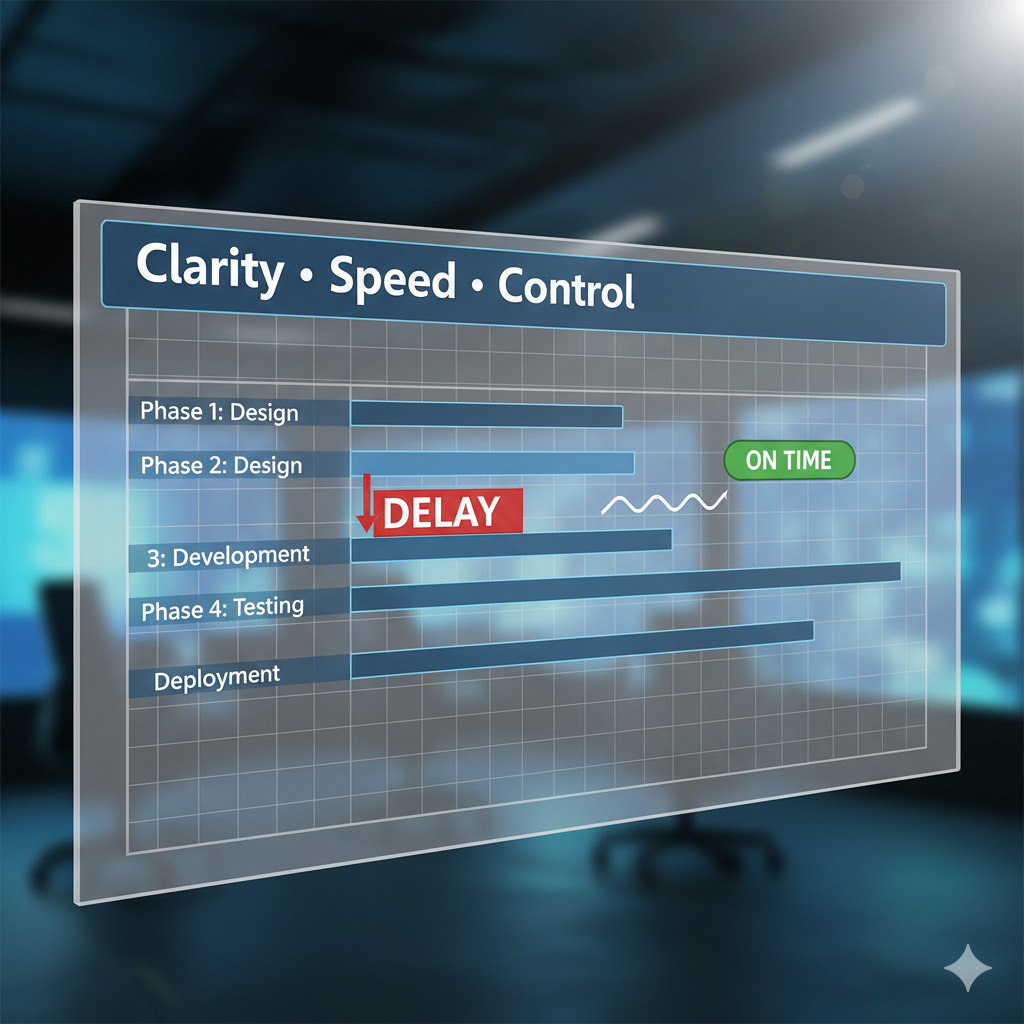
- Milestone visibility: Clients see stage gates, target/actual dates, and blockers.
- Pre‑emptive QA: On‑line QC prevents end‑line pile‑ups.
- Logistics orchestration: Booking, consolidation, and customs prep are planned during production, not after.
What Brand Builders Should Expect
- A single calendar that aligns product, marketing, and retail.
- Response SLAs from your PM (hours, not days).
- Documented contingencies for capacity and materials.