Introduction
The private-label process has transformed how modern brands bring products to market. For entrepreneurs, startups, and established companies alike, creating a private-label product offers control over design, quality, and profitability. Yet, navigating from idea to market-ready product can be complex without the right strategy or partner.
This article breaks down the entire private-label process—from concept development to production and delivery—highlighting the key decisions, challenges, and opportunities at each stage. You’ll learn how to validate ideas, design effectively, select reliable manufacturers, and manage timelines for success. We’ll also explore how integrated partners like One Stack simplify this journey, offering clarity, speed, and control throughout.
By understanding each step in detail, you’ll be equipped to transform your idea into a tangible, high-quality product that stands out in competitive markets. Let’s explore how the private-label process works and what it takes to succeed.
Understanding the Private-Label Landscape
The private-label model allows brands to create customized products under their own label, without owning manufacturing facilities. This section explores why it has become a strategic advantage in global commerce.
What Private Labeling Really Means
Private labeling involves outsourcing production to a third-party manufacturer who produces goods based on your specifications. The finished products carry your brand name, not the manufacturer’s. This model enables rapid market entry and flexible product differentiation.
For example, an e-commerce brand may design a custom kitchen tool and work with a manufacturer to produce it under its own logo. The result: brand exclusivity without heavy infrastructure investment.
Market Growth and Competitive Advantage
Private-label products now represent a significant share of global retail. Consumers increasingly trust smaller brands when quality matches or exceeds established competitors. This shift opens opportunities for agile businesses that prioritize design, quality, and value.
Brands that master the private-label process gain faster time-to-market, higher margins, and complete control over their product story.
Why Egyptian Manufacturing Is Rising
Egypt’s manufacturing sector offers a unique advantage for private-label production. With competitive costs, skilled labor, and proximity to global trade routes, Egypt is becoming a hub for international product development. Companies like One Stack leverage this ecosystem to deliver world-class products proudly made in Egypt.
Understanding this landscape is the first step toward building a successful private-label brand that combines creativity with operational excellence.
From Idea to Concept: Laying the Foundation
Every successful private-label product begins with a clear concept. This section outlines how to refine ideas, validate demand, and align your vision with manufacturing feasibility.
Defining Your Product Vision
Start by identifying the problem your product solves. Whether improving convenience, design, or performance, your concept should deliver a clear benefit. Document the features, materials, and functionality envisioned, ensuring alignment with your brand identity.
One Stack’s initial data-gathering phase helps clients clarify these details early, avoiding costly design missteps later.
Validating Market Demand
Before committing to production, validate your concept through market research. Analyze competitor offerings, pricing, and customer feedback. Use small test batches or pre-orders to confirm interest. This step minimizes risk and ensures your private-label product meets real consumer needs.
Balancing Creativity with Practicality
Innovative ideas must align with manufacturability. Overly complex designs or rare materials can increase costs or delays. Working with experienced development partners ensures creative vision translates efficiently into production reality.
Solidifying your concept lays the groundwork for design and development—turning ideas into feasible, profitable products.
Design and Prototyping: Transforming Concepts into Reality
Once your concept is defined, design and prototyping bring it to life. This phase bridges imagination and engineering precision.
Creating Functional and Aesthetic Designs
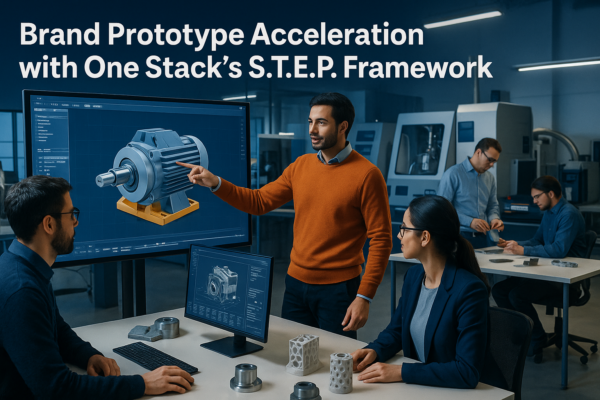
Industrial designers and engineers collaborate to produce 3D models, renderings, and technical drawings. These documents define dimensions, materials, and finishes. A strong design phase ensures both form and function align with brand goals and production capabilities.
Building and Testing Prototypes
Prototypes provide tangible proof of concept. They allow testing for usability, durability, and visual appeal. Feedback from internal teams or early adopters helps refine the design before large-scale production. One Stack’s prototyping teams in Egypt specialize in rapid sample creation that accelerates decision-making.
Iterating for Perfection
Few designs are perfect on the first try. Iterative improvements—adjusting materials, ergonomics, or finishes—ensure the final product meets both technical and aesthetic standards. This iterative mindset is key to producing market-ready private-label goods that exceed expectations.
Effective design and prototyping create confidence, enabling smoother transitions to manufacturing.
Manufacturing and Supply Chain Execution
Turning prototypes into full-scale production requires coordination, quality control, and supplier alignment. This section explores how to manage manufacturing effectively.
Selecting the Right Manufacturing Partner
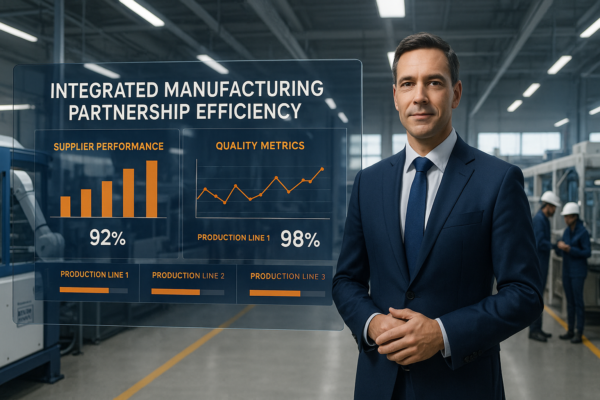
Choosing a reliable manufacturer determines product quality and delivery performance. Evaluate partners based on certifications, production capacity, and communication transparency. Integrated partners like One Stack simplify this step by managing a network of vetted Egyptian factories with consistent standards.
Ensuring Quality Control and Compliance
Quality assurance is non-negotiable. Implement inspection checkpoints throughout production, from incoming materials to final packaging. Global standards such as ISO or ASTM ensure compliance and customer trust.
“Quality is built into the process, not inspected at the end.”
Optimizing Supply Chain Efficiency
Efficient logistics minimize delays and costs. Strategic sourcing, lean inventory management, and digital tracking tools enhance visibility. Working with an integrated partner streamlines coordination across suppliers, transport, and warehousing.
Strong manufacturing execution ensures private-label products reach the market on time and within budget.
Branding, Packaging, and Market Readiness
With production underway, attention shifts to branding and packaging—critical for differentiation and consumer appeal.
Designing a Distinct Brand Identity
Your private-label product must tell a story that resonates. Consistent color schemes, typography, and tone build trust and recognition. Align packaging design with brand values and target audience expectations.
Packaging for Protection and Perception
Packaging serves both functional and emotional purposes. It must protect the product while influencing purchase decisions. Sustainable materials and innovative unboxing experiences enhance brand reputation and consumer loyalty.
Preparing for Distribution and Launch
Finalize logistics, labeling, and compliance documentation before shipping. Coordinate marketing campaigns and sales channels to ensure smooth market entry. Integrated partners can manage pre-launch inspections and ensure readiness across all deliverables.
Effective branding and packaging elevate private-label products from commodities to memorable brand experiences.
Scaling and Continuous Improvement
After launch, success depends on adaptability and performance monitoring. Continuous improvement ensures sustained growth.
Analyzing Market Feedback
Gather consumer feedback from reviews, surveys, and sales data. Identify recurring themes around quality, usability, or price perception. Use insights to refine future production runs or new variants.
Streamlining Production Processes
As demand grows, efficiency becomes essential. Optimize workflows, automate repetitive tasks, and maintain clear communication with suppliers. One Stack’s project management approach ensures scalability without sacrificing quality or delivery timelines.
Expanding Product Lines Strategically
Leverage successful private-label products to expand into complementary categories. Apply lessons learned from initial launches to reduce risk and accelerate development cycles.
Continuous improvement transforms a single product launch into a sustainable brand ecosystem.
Conclusion
The private-label process is both an art and a science—balancing creativity with operational discipline. From idea validation to market launch, success depends on structured planning, reliable partnerships, and relentless quality focus.
Entrepreneurs and brands that master this process gain unmatched flexibility, brand ownership, and profitability. By collaborating with integrated partners like One Stack, you can navigate every stage—concept, design, prototyping, and production—with clarity, speed, and control.
As global manufacturing evolves, private-label innovation will continue to empower businesses of all sizes. The opportunity lies in execution excellence—turning vision into tangible products proudly made in Egypt and trusted worldwide.