Introduction
For decades, global manufacturing has been dominated by a handful of countries. Yet, a quiet transformation is taking place on the banks of the Nile. Egyptian manufacturing is no longer a local story—it’s becoming a global contender. The question many business leaders are asking is simple: Can Egyptian manufacturing truly compete on the world stage? The data says yes.
Egypt has evolved into a cost-effective, quality-driven hub for industrial production, offering manufacturers and product developers a unique blend of affordability, proximity, and precision. With a strong base of certified factories and a growing ecosystem of engineering talent, the country is positioning itself as the MENA region’s manufacturing powerhouse.
This article explores the forces behind Egypt’s manufacturing resurgence—from cost advantages and infrastructure upgrades to global certifications and innovation ecosystems. You’ll discover how companies like One Stack are helping international brands bring products to life efficiently, transparently, and with uncompromising quality. Most importantly, you’ll see why “Proudly Made in Egypt” is fast becoming a mark of global excellence.
Global Manufacturing Landscape: Shifting Dynamics
Before understanding Egypt’s competitive position, it’s essential to examine how the global manufacturing landscape is changing. Factors such as supply chain resilience, cost pressures, and nearshoring trends are reshaping where and how products are made.
Rising Costs in Traditional Manufacturing Hubs
Countries that once dominated global production—like China and parts of Southeast Asia—are experiencing rising labor costs, stricter environmental regulations, and logistical bottlenecks. As a result, global brands are seeking alternative locations that offer both quality and efficiency. Egypt’s lower operating costs and strategic access to European, African, and Middle Eastern markets make it a compelling choice.
Supply Chain Resilience and Nearshoring
After recent global disruptions, many companies are prioritizing supply chain resilience over minimal cost. Nearshoring—producing closer to end markets—has gained traction. Egypt’s geographic location enables rapid access to Europe, Africa, and the Gulf, providing a logistical advantage that rivals cannot easily match.
Technology and Automation Redefining Competitiveness
Advanced manufacturing technologies—such as robotics, IoT, and digital twins—are leveling the playing field. Egyptian factories adopting automation are now achieving international quality standards while maintaining cost efficiency. This convergence of technology and affordability is key to global competitiveness.
These global shifts create an unprecedented opportunity for emerging manufacturing nations like Egypt to assert themselves as reliable, high-value partners in global supply networks.
Egypt’s Competitive Advantages in Manufacturing
Egypt’s manufacturing edge stems from a combination of economic, geographic, and human factors that collectively form a sustainable competitive position.
Cost Efficiency Without Quality Compromise
Egypt offers one of the most cost-effective manufacturing environments globally, with labor and energy costs significantly lower than in Asia or Europe. Yet, this affordability doesn’t come at the expense of quality. Many Egyptian facilities meet ISO, CE, and other international certifications, enabling them to produce goods that meet strict export requirements.
Strategic Location and Trade Accessibility
Situated at the crossroads of three continents, Egypt provides manufacturers with access to key markets within days. The Suez Canal and multiple free trade agreements amplify its logistics advantage, making it ideal for companies aiming to serve Europe, Africa, and the Middle East efficiently.
Skilled Workforce and Engineering Talent
Egypt’s young, educated workforce is a major asset. With strong engineering programs and a growing culture of innovation, the country produces thousands of technically skilled professionals each year. This talent pool supports advanced product development, prototyping, and industrial design efforts across sectors.
Government Support and Industrial Policy
Public investment in industrial zones, tax incentives, and infrastructure modernization has accelerated Egypt’s manufacturing development. The government’s focus on export-oriented industries and partnerships with private players like One Stack reinforce its commitment to long-term industrial growth.
Together, these factors position Egypt as a serious contender for companies seeking reliable, scalable, and globally competitive manufacturing solutions.
Challenges and Misconceptions About Egyptian Manufacturing
Despite its advantages, Egyptian manufacturing still faces perception challenges. Understanding these barriers is essential for global investors and product developers considering the region.
Perceived Quality Gaps and Brand Trust
Some international buyers still associate “emerging markets” with inconsistent quality. However, this perception is rapidly changing. Egyptian manufacturers investing in process control, automation, and certification are now producing goods that meet—and often exceed—global benchmarks.
Limited Global Awareness
While Egypt’s manufacturing capacity has grown, its global visibility remains limited. Many decision-makers are unaware of the scale and sophistication of Egyptian industrial capabilities. Firms like One Stack are bridging this gap by connecting global brands to verified, high-quality local factories.
Infrastructure and Supply Chain Coordination
Although Egypt has improved logistics and transportation networks, some regions still face infrastructure challenges. Coordinated planning and digital supply chain management—areas where integrated partners excel—are critical to maintaining reliability and speed.
Addressing these misconceptions through data, transparency, and proven results will be key to Egypt’s continued rise as a trusted manufacturing hub.
Data-Driven Evidence of Global Competitiveness
The numbers tell a compelling story: Egyptian manufacturing is not just catching up—it’s competing head-to-head with established markets.
Export Growth and Market Penetration
Egypt’s manufacturing exports have grown steadily across sectors such as textiles, electronics, and automotive components. According to industry data, manufacturing now accounts for a significant portion of national exports, demonstrating rising international demand for Egyptian-made goods.
Quality Certifications and Compliance
Over 200 certified factories across Egypt meet international quality standards. This certification landscape is expanding rapidly, signaling confidence from global buyers. One Stack’s network alone includes hundreds of vetted facilities capable of producing to European and North American standards.
Productivity and Lead Time Advantages
Modern production facilities in Egypt are adopting lean manufacturing and digital monitoring systems that reduce waste and accelerate delivery. These advancements enable competitive lead times compared to Asian counterparts while offering closer proximity to key markets.
Cost-to-Quality Ratio
Egypt’s unique cost-to-quality ratio is one of its strongest assets. Businesses can achieve up to 30% lower production costs without compromising quality, giving them a strategic edge in price-sensitive markets.
When analyzed collectively, these metrics validate that Egyptian manufacturing has reached a level of maturity capable of serving global demand effectively.
How Integrated Partners Are Accelerating Global Readiness
Partnership models are redefining how global brands work with Egyptian manufacturers. Integrated solutions like those offered by One Stack simplify the process from concept to production, ensuring clarity, speed, and control.
End-to-End Project Management
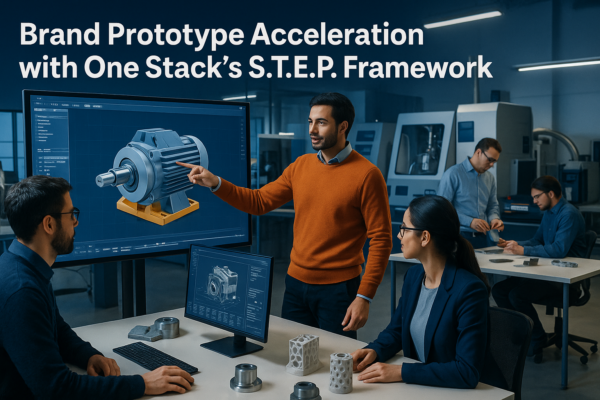
Instead of managing multiple suppliers, brands can rely on a single partner to handle design, prototyping, and production. This approach reduces risk, improves accountability, and accelerates time-to-market. One Stack’s four-step framework—data gathering, design, prototyping, and production—illustrates this model’s efficiency.
Quality Assurance and Consistency
Integrated partners implement unified quality systems across their factory networks. This ensures consistent outcomes regardless of production scale or product type. Such standardization builds confidence among international clients seeking reliable long-term relationships.
Transparency and Communication
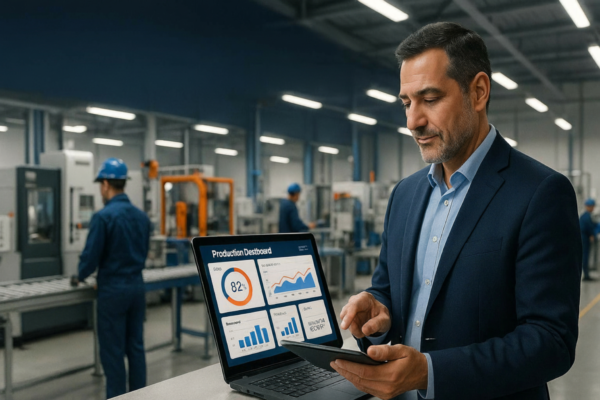
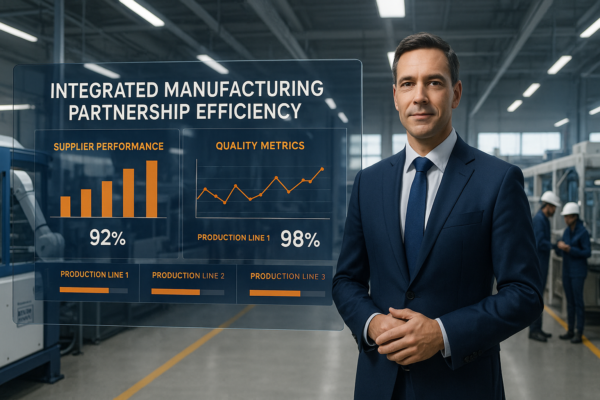
One of the main challenges in cross-border manufacturing is communication. Integrated platforms provide real-time visibility into production progress, cost structures, and quality metrics. This transparency eliminates uncertainty and fosters trust between partners.
By bridging cultural, logistical, and technical gaps, integrated partners are making Egyptian manufacturing globally accessible and dependable.
Best Practices for Global Brands Partnering in Egypt
To maximize success, global companies entering Egypt’s manufacturing ecosystem should follow a set of proven best practices.
Start with Clear Specifications and Documentation
Detailed product documentation reduces ambiguity and speeds up alignment. Sharing CAD models, technical drawings, and material requirements ensures production accuracy from the outset.
Conduct Pilot Runs Before Scaling
Prototype development and small-batch testing help validate quality and process reliability. Egyptian manufacturers are increasingly equipped to support iterative prototyping cycles efficiently.
Prioritize Communication and Cultural Alignment
Open communication channels and mutual understanding of business practices foster smoother collaboration. Egyptian teams value long-term relationships and transparency—qualities that align well with global partnership models.
Leverage Local Expertise
Working with a local partner like One Stack provides access to pre-vetted suppliers, engineering expertise, and regulatory insights. This local knowledge significantly reduces time and risk during product launches.
Following these practices helps international brands achieve smoother operations, faster turnaround, and higher overall satisfaction when working in Egypt.
The Future of Egyptian Manufacturing
The trajectory is clear: Egyptian manufacturing is moving from regional relevance to global recognition. The next decade will be defined by innovation, digital transformation, and deeper integration into international supply chains.
Digital Transformation and Smart Factories
Factories across Egypt are adopting Industry 4.0 technologies—from IoT sensors to data-driven production management. These tools improve efficiency, traceability, and predictive maintenance, making Egyptian facilities globally competitive.
Sustainability and Green Manufacturing
Global buyers increasingly demand sustainable production. Egyptian manufacturers are investing in renewable energy and waste reduction, positioning themselves as environmentally responsible suppliers in global value chains.
Expanding International Partnerships
Collaborations with European and African partners are growing, fueled by Egypt’s trade agreements and strategic location. These partnerships will further strengthen the country’s global presence and export capabilities.
With continued investment, innovation, and strategic partnerships, Egypt’s manufacturing future looks not only promising but inevitable.
Conclusion
Egyptian manufacturing has entered a new era—one defined by quality, innovation, and confidence. The data clearly shows that Egypt can and does compete globally. Its unique combination of cost advantage, skilled labor, and strategic location gives it a sustainable edge in a shifting industrial landscape.
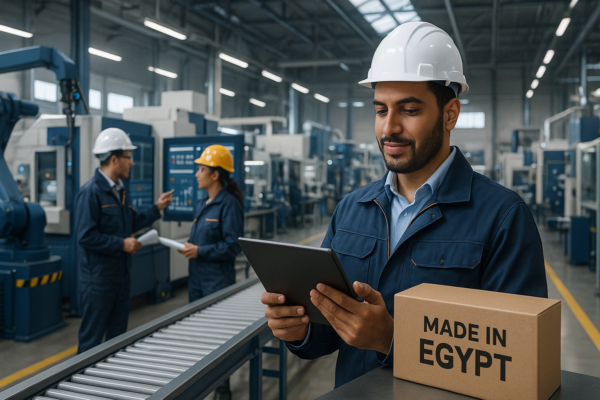
For global brands seeking reliable, transparent, and high-quality production, Egypt offers more than an alternative—it offers a competitive advantage. With integrated partners like One Stack leading the way, “Proudly Made in Egypt” is no longer just a label; it’s a global standard in the making.
Now is the moment for decision-makers to look beyond traditional manufacturing destinations and recognize the untapped potential that Egypt brings to the world stage. The data says yes—and the future agrees.