Introduction
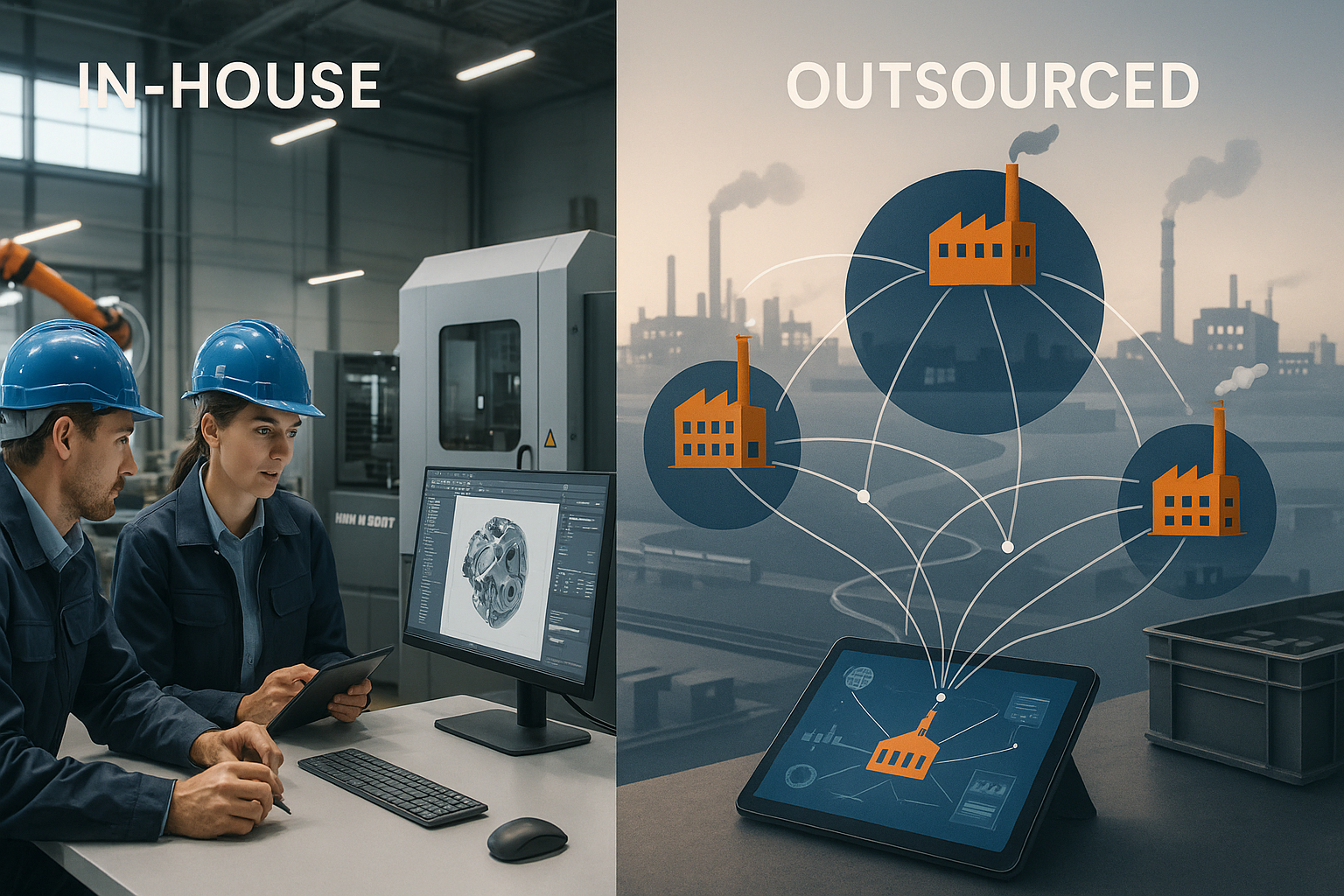
Every product starts with a vision — but realizing that vision depends on the right manufacturing strategy. For entrepreneurs, startups, and established brands alike, the choice between in-house and outsourced manufacturing can define not only cost and speed but also long-term scalability and control. It’s a decision that shapes how efficiently ideas transform into market-ready products.
In today’s competitive landscape, this decision is more complex than ever. Factors such as technology access, supply chain reliability, labor costs, and quality control all play critical roles. Whether you are a brand builder seeking flexibility or an industry leader optimizing production, understanding both paths is essential.
This comprehensive guide explores the differences, advantages, and trade-offs of in-house vs. outsourced manufacturing. You’ll learn how to evaluate each model against your product vision, operational goals, and customer expectations. By the end, you’ll have the clarity to choose the manufacturing approach that aligns best with your business — and how integrated partners like One Stack can help you achieve it.
The Manufacturing Landscape: Context and Evolution
The manufacturing world has evolved dramatically over the past decade, driven by globalization, digital transformation, and rising consumer expectations. Understanding this context is the foundation for making an informed decision between in-house and outsourced manufacturing.
From Local Production to Global Networks
Historically, manufacturing was localized — companies built, assembled, and distributed products near their markets. Today, global supply chains dominate, allowing firms to leverage cost advantages, specialized skills, and scalable infrastructure worldwide. However, this shift also introduced complexity and risk, from geopolitical disruptions to logistics volatility.
Technology’s Role in Modern Manufacturing
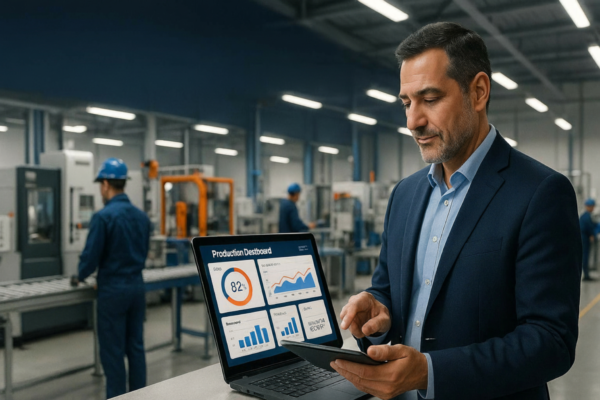
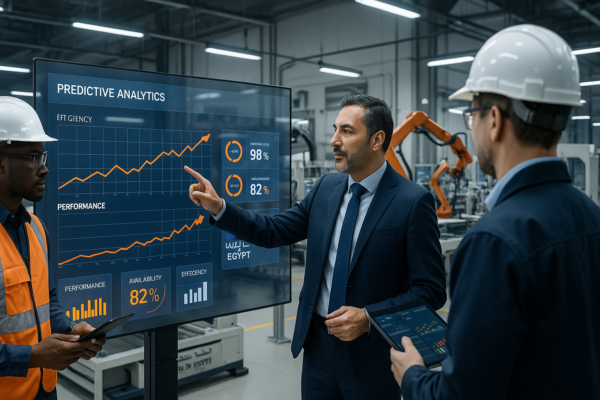
Automation, IoT, and AI have redefined production efficiency. Smart factories enable real-time monitoring, predictive maintenance, and mass customization. Both in-house and outsourced manufacturers now use these tools, but the difference lies in ownership and integration — whether you manage the systems internally or rely on external partners.
Shifting Priorities: From Cost to Control
While cost reduction once drove outsourcing, modern businesses prioritize agility, quality, and brand consistency. Many now seek hybrid models — maintaining critical processes in-house while outsourcing specialized operations to trusted partners. This strategic balance can optimize both control and efficiency.
Understanding these dynamics helps businesses frame their manufacturing decisions not as binary choices, but as strategic configurations tailored to their goals.
In-House Manufacturing: Control and Capability
In-house manufacturing offers complete oversight — from materials sourcing to final assembly. It’s ideal for companies prioritizing proprietary processes, quality assurance, and rapid iteration. But it also requires significant investment and operational discipline.
Advantages of In-House Production
Owning your production means full control over specifications, timelines, and intellectual property. You can align engineering, design, and manufacturing teams seamlessly, enabling faster prototyping and innovation cycles. Quality control is immediate, with no reliance on external audits or third-party standards.
Challenges and Costs to Consider
Building internal manufacturing capacity demands capital investment in facilities, equipment, and skilled labor. It also introduces fixed costs, making scaling up or down more difficult. For startups and SMEs, these barriers can slow time-to-market and divert resources from product development or marketing.
When In-House Works Best
In-house manufacturing suits products requiring confidentiality, specialized processes, or frequent iteration — such as medical devices, precision components, or proprietary hardware. It’s also effective when production volumes are stable and predictable, ensuring consistent utilization of resources.
Ultimately, in-house manufacturing aligns with companies seeking maximum control and customization, though at the cost of flexibility and scalability.
Outsourced Manufacturing: Efficiency and Flexibility
Outsourced manufacturing allows businesses to leverage specialized expertise and infrastructure without owning production facilities. It’s a proven path for accelerating time-to-market and reducing operational complexity.
Benefits of Outsourcing Production
By partnering with established manufacturers, brands can access advanced equipment, skilled labor, and supply chain networks instantly. This reduces capital expenditure while enabling scalability — you can increase or decrease production based on demand. It also allows internal teams to focus on design, marketing, and customer experience.
Risks and Trade-offs
Outsourcing introduces dependency on external partners for quality, timelines, and compliance. Communication gaps or misaligned expectations can lead to delays or product inconsistencies. However, these risks can be mitigated through clear specifications, supplier audits, and strong project management.
When Outsourcing Is Ideal
Outsourcing suits businesses launching new products, entering new markets, or managing variable demand. It’s also ideal for companies without manufacturing expertise or those seeking cost-effective entry into production. Integrated partners like One Stack simplify this model by managing everything from design to delivery with transparency and accountability.
When executed strategically, outsourcing becomes not just a cost-saving measure but a growth enabler — unlocking flexibility, speed, and access to global manufacturing excellence.
Evaluating the Right Model for Your Product Vision
Choosing between in-house and outsourced manufacturing depends on aligning your operational strategy with your long-term product vision. This evaluation requires a balanced assessment of cost, control, quality, and scalability.
Assessing Strategic Priorities
Start by defining what matters most: is it speed, quality, or cost efficiency? For startups, flexibility and cost often dominate, while established firms may value control and brand protection. Mapping these priorities helps determine which model best supports your business objectives.
Analyzing Total Cost of Ownership
Beyond unit cost, consider the total cost of ownership — including setup, maintenance, logistics, and risk mitigation. Outsourcing may appear cheaper initially but could involve hidden costs in communication or quality management. Conversely, in-house setups require upfront investment but may yield long-term savings through efficiency and control.
Balancing Quality and Speed
Outsourced manufacturing often accelerates production but can compromise quality if oversight is weak. In-house control ensures consistency but may slow scaling. The optimal balance lies in establishing clear standards, robust documentation, and transparent communication with all stakeholders.
Ultimately, the right model aligns with your vision, not just your budget — enabling sustainable growth through clarity and control.
Hybrid Manufacturing Models: The Best of Both Worlds
Many forward-thinking companies now adopt hybrid manufacturing — combining in-house control with outsourced efficiency. This approach allows flexibility while retaining core capabilities and intellectual property internally.
Strategic Division of Responsibilities
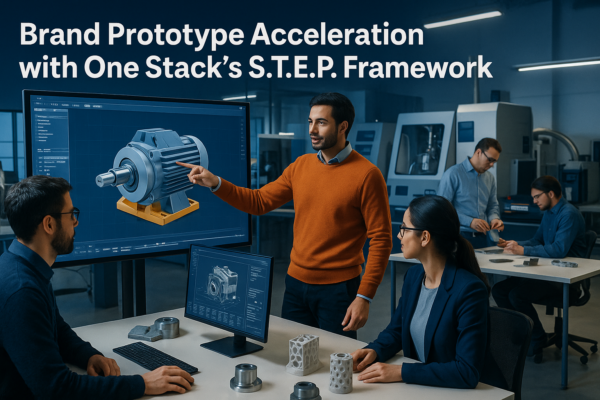
Businesses can retain critical processes like design, prototyping, or final assembly in-house while outsourcing mass production or specialized tasks. This structure preserves innovation capacity while benefiting from external scalability and expertise.
Technology Integration Across Boundaries
Digital tools now enable seamless collaboration between internal and external teams. Cloud-based PLM systems, shared dashboards, and real-time tracking enhance visibility across hybrid operations — ensuring that quality and schedule remain synchronized regardless of physical location.
Examples of Successful Hybrid Models
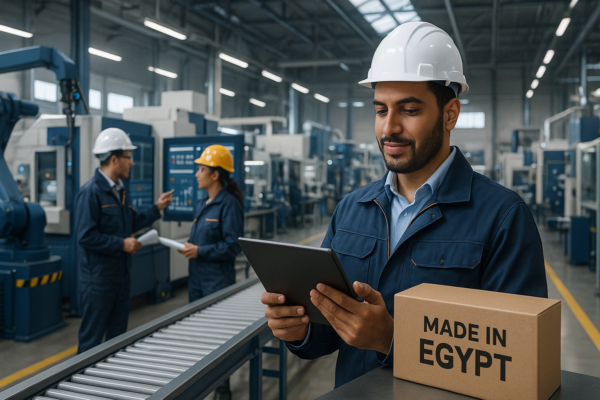
Many hardware innovators prototype internally for agility, then partner with local manufacturers for volume production. One Stack, for example, supports such models through its network of 200+ certified Egyptian factories, offering clients both flexibility and reliability under one coordinated system.
Hybrid manufacturing empowers companies to maintain their innovation DNA while accessing external capacity — a strategic advantage in dynamic markets.
Implementing Your Manufacturing Strategy
Once you’ve chosen your manufacturing approach, execution becomes critical. Whether in-house or outsourced, success depends on structured planning, communication, and continuous improvement.
Defining Clear Specifications
Document every product requirement — materials, tolerances, packaging, and performance criteria. Clear documentation minimizes ambiguity and ensures consistent quality, especially when working with multiple suppliers or factory teams.
Building Reliable Partnerships
For outsourced or hybrid models, selecting the right partner is essential. Evaluate manufacturers for technical expertise, certifications, and communication reliability. Integrated partners like One Stack simplify this process by offering end-to-end accountability from concept to delivery.
Monitoring and Continuous Improvement
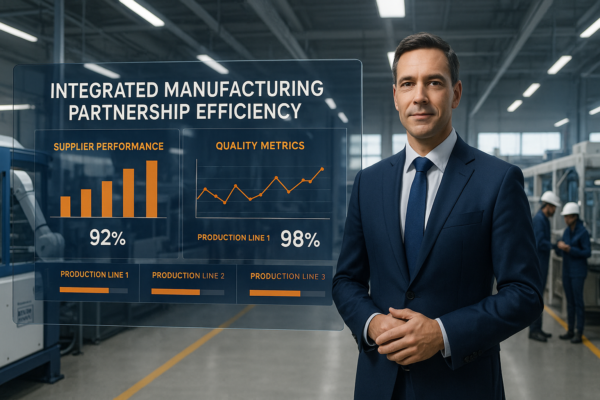
Use KPIs such as defect rates, lead times, and production yield to monitor performance. Regular audits and feedback loops ensure alignment with your evolving product goals. A culture of continuous improvement drives both innovation and efficiency.
Strong execution transforms manufacturing strategy from plan to performance — turning product vision into tangible success.
Future Outlook: The Next Generation of Manufacturing Strategy
The future of manufacturing is defined by agility, data, and collaboration. As technologies mature and supply chains localize, the boundaries between in-house and outsourced production will blur further.
Smart Manufacturing and Digital Twins
Emerging tools like digital twins and AI-driven analytics enable real-time optimization of production systems. Whether in-house or outsourced, businesses can now simulate, predict, and refine processes before physical execution — reducing waste and accelerating innovation.
Regional Manufacturing Hubs
Egypt and other MENA countries are positioning themselves as competitive manufacturing hubs, offering cost-effective, high-quality production aligned with global standards. This regional evolution empowers companies to localize supply chains while maintaining international reach.
Collaborative Ecosystems
Future manufacturing will rely on ecosystems rather than isolated entities. Integrated networks — like those built by One Stack — will connect designers, engineers, and factories in real time, creating transparency, speed, and shared accountability across the entire product lifecycle.
As industries evolve, companies that master strategic flexibility will lead the next wave of product innovation and manufacturing excellence.
Conclusion
Choosing between in-house and outsourced manufacturing is more than a logistical decision — it’s a strategic choice that defines your product’s future. In-house production offers control and depth; outsourcing delivers speed and scalability. Hybrid models bridge both worlds, giving businesses the adaptability needed in today’s fast-moving markets.
The key lies in aligning your manufacturing model with your product vision, growth stage, and market demands. By focusing on clarity, speed, and control, you can transform production from a challenge into a competitive advantage. Partners like One Stack make this journey smoother by integrating design, prototyping, and production into one transparent process — proudly made in Egypt, built for global standards.
As you plan your next product or scale your existing line, consider not just where you manufacture, but how. The right strategy will turn your ideas into tangible success stories that resonate with customers worldwide.