Introduction
Building a successful hardware startup is one of the most complex yet rewarding challenges in modern entrepreneurship. Unlike software ventures, where iterations can be made overnight, hardware development demands precision, time, and deep coordination between design, engineering, and manufacturing. In Egypt, a new generation of innovators is redefining what’s possible by transforming ideas into tangible products that compete globally.
This article explores the journey of a successful Egyptian hardware startup — from concept to production — highlighting the unique factors that make Egypt an emerging hub for product innovation. We’ll examine the key phases of development, the challenges faced, and the strategies that enable founders to scale efficiently. You’ll also discover how integrated partners like One Stack simplify this journey through end-to-end product development and manufacturing solutions that deliver clarity, speed, and control.
Whether you’re a hardware innovator, an investor, or a brand builder, understanding the making of a successful Egyptian hardware startup offers valuable lessons on combining creativity, engineering, and local manufacturing excellence to achieve global impact.
The Rise of Egyptian Hardware Innovation
Egypt’s manufacturing and innovation ecosystem has evolved significantly in recent years. The convergence of accessible technology, local expertise, and global ambition has fueled a new wave of hardware startups determined to make their mark.
Why Egypt is Emerging as a Hardware Powerhouse
Egypt offers a unique combination of cost-effective production, skilled labor, and strategic location bridging Africa, the Middle East, and Europe. These advantages make it a natural base for hardware ventures aiming to serve global markets. The local manufacturing base — supported by over 200 certified factories — allows startups to produce prototypes and scale production without outsourcing abroad.
The Role of Local Manufacturing Networks
One key factor behind Egypt’s hardware renaissance is the rise of integrated manufacturing networks. Partners like One Stack coordinate design, prototyping, and production under one roof, allowing startups to focus on innovation rather than supplier management. This model ensures consistent quality, transparent pricing, and faster time-to-market.
Government and Ecosystem Support
Egypt’s startup ecosystem has matured, with incubators, universities, and innovation hubs supporting hardware entrepreneurship. Government-backed initiatives and private accelerators provide funding, mentorship, and access to advanced fabrication labs, helping new ventures overcome the high entry barriers traditionally associated with hardware development.
Together, these factors have positioned Egypt as a rising center for hardware innovation — one where ideas can evolve into globally competitive products.
From Idea to Prototype: The Product Development Journey
The journey from concept to prototype defines a hardware startup’s foundation. Successful founders know that each phase — from ideation to validation — must be managed with precision and agility.
Defining the Problem and Target User
Every great hardware product begins with a clearly defined problem. Founders start by understanding user pain points and identifying unmet needs. This early clarity prevents costly redesigns later. For example, Egyptian IoT startups often begin with deep field research in agriculture or logistics before drafting their first sketch.
Design and Engineering Alignment
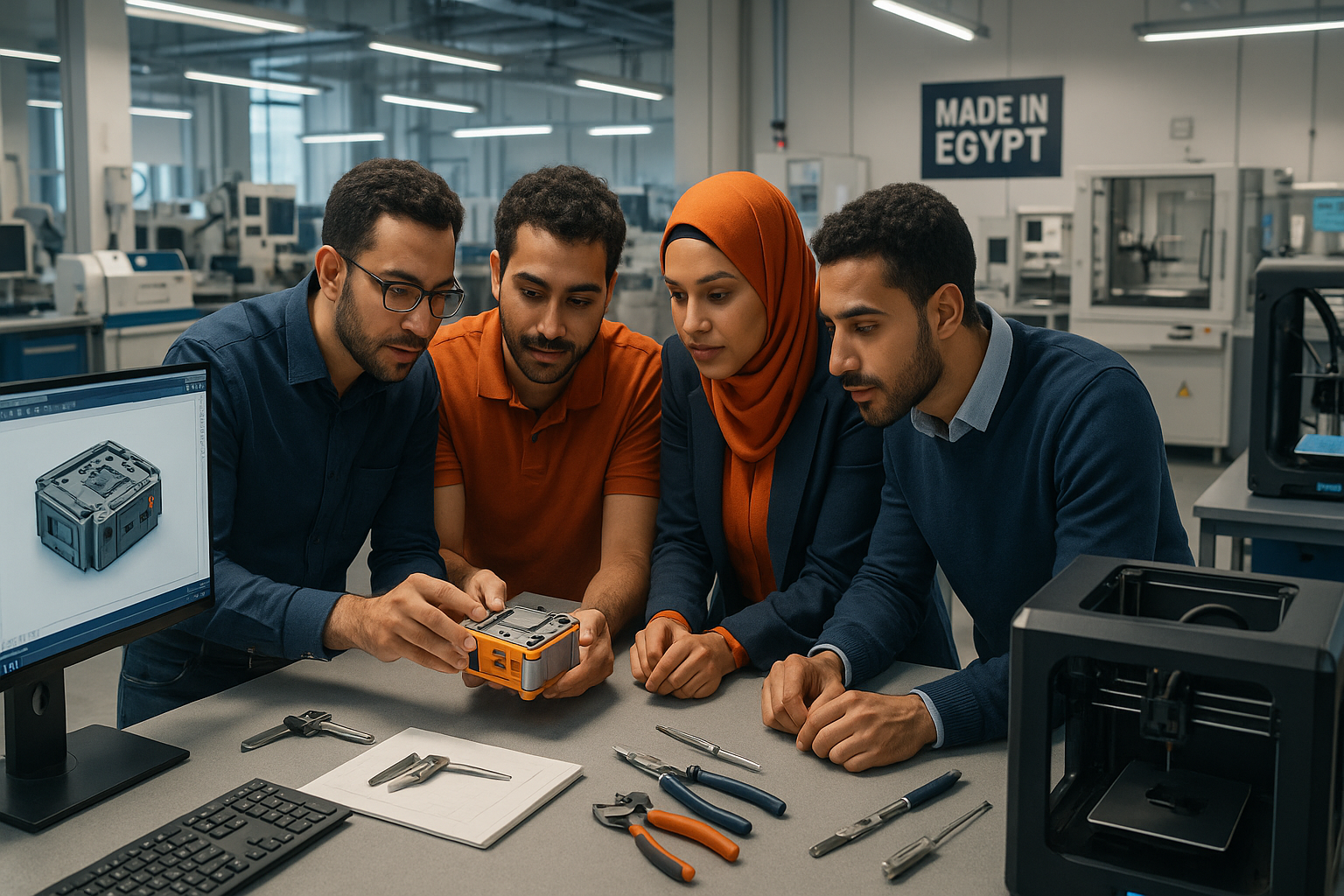
Translating an idea into a manufacturable design requires alignment between industrial designers and engineers. Through 3D modeling and digital simulations, teams refine form, functionality, and feasibility. Integrated partners like One Stack streamline this phase by ensuring design-for-manufacturing (DFM) principles are applied early, reducing iteration cycles.
Rapid Prototyping and Testing
Prototyping transforms concepts into tangible models. In Egypt, access to advanced fabrication tools — from CNC machining to 3D printing — enables quick turnaround for prototypes. Startups test functionality, ergonomics, and durability, collecting real-world feedback before committing to mass production.
This structured approach helps startups validate their designs efficiently, ensuring readiness for the next critical phase: production planning.
Overcoming Common Hardware Startup Challenges
Hardware startups face a unique set of challenges — from high upfront costs to long lead times. Understanding and mitigating these obstacles is key to building a sustainable business.
Balancing Cost and Quality
Maintaining product quality while managing costs is a constant struggle. Many startups initially choose cheaper suppliers only to face inconsistencies later. Working with a trusted manufacturing partner ensures transparency and quality assurance without compromising budgets — a principle One Stack emphasizes through standardized production audits.
Managing Supply Chain Complexity
Coordinating multiple suppliers for components, materials, and logistics can overwhelm small teams. Integrated networks simplify this process by consolidating communication and accountability. In Egypt’s ecosystem, having one point of contact for production and sourcing significantly reduces delays and errors.
Securing Early Funding
Hardware development demands capital for tooling, materials, and certification. Egyptian startups increasingly attract angel investors and crowdfunding backers by showcasing working prototypes and clear manufacturing plans. Demonstrating production readiness builds investor confidence and shortens fundraising cycles.
By addressing these challenges proactively, founders create stronger foundations for growth and investor trust.
Building Scalable Manufacturing Operations
Once a prototype is validated, the next milestone is scaling production. Efficient manufacturing systems determine whether a hardware startup can meet market demand consistently.
Choosing the Right Production Model
Startups must decide between local, regional, or international manufacturing. Egyptian manufacturing offers a compelling middle ground — combining cost efficiency with high-quality standards. Local production allows for agile iterations, quicker feedback loops, and tighter quality control.
Quality Control and Process Standardization
Implementing quality management systems early prevents defects and ensures consistency. Regular audits, clear documentation, and supplier certification are essential. One Stack, for instance, maintains standardized inspection protocols across its partner factories, guaranteeing reliability from the first batch to mass production.
Technology Integration in Manufacturing
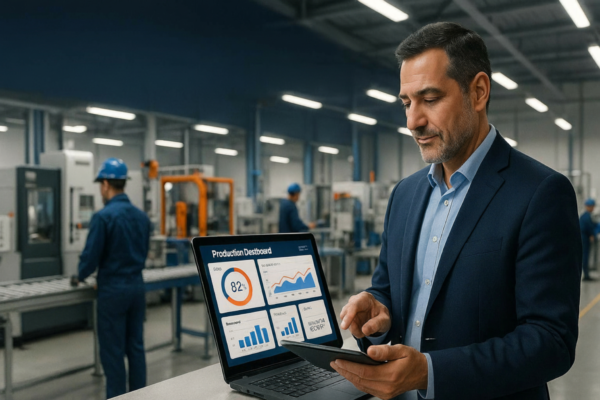
Modern manufacturing increasingly relies on digital tools such as IoT-enabled monitoring, predictive maintenance, and ERP systems. Egyptian factories adopting these technologies achieve higher productivity and traceability — key differentiators for startups seeking to scale globally.
Establishing scalable, tech-enabled operations empowers startups to grow sustainably while maintaining product excellence.
Designing for Market Success
Beyond technical execution, market alignment determines a hardware startup’s ultimate success. Design decisions must balance innovation with usability, cost, and customer appeal.
User-Centered Product Design
Successful startups place users at the heart of their design process. From ergonomic testing to intuitive interfaces, each design element aims to enhance user experience. Egyptian startups in consumer electronics, for example, increasingly prioritize aesthetic differentiation to compete internationally.
Brand Identity and Product Storytelling
Hardware products carry a story — of craftsmanship, innovation, and problem-solving. Building a strong brand narrative helps customers connect emotionally. Highlighting Egyptian manufacturing excellence and local innovation adds authenticity that resonates in both domestic and global markets.
Market Feedback and Iteration
Continuous improvement is vital. Startups collect post-launch feedback through customer surveys, performance analytics, and after-sales data. Iterating based on user input ensures sustained relevance and competitive advantage.
Designing with the market in mind transforms hardware from a product into a brand experience that endures.
Best Practices for Sustained Growth
Long-term success in hardware entrepreneurship requires discipline, adaptability, and a commitment to continuous improvement.
Building Strategic Partnerships
Collaboration accelerates progress. Partnering with integrated product development companies like One Stack enables startups to access expertise in design, prototyping, and manufacturing under one roof. These partnerships provide clarity and control across the entire product lifecycle.
Investing in Talent and Culture
Great products come from great teams. Egyptian startups are increasingly investing in multidisciplinary talent — combining design, engineering, and marketing. Encouraging a culture of experimentation and accountability fosters innovation at every stage.
Leveraging Data for Continuous Improvement
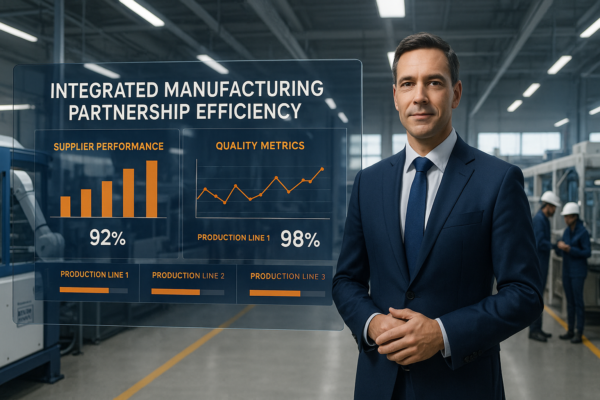
Data-driven decision-making enhances performance. Startups track production metrics, defect rates, and customer feedback to identify improvement areas. This analytical approach transforms operations from reactive to proactive, improving efficiency and profitability.
Adopting these best practices helps Egyptian hardware startups build resilient, scalable, and globally competitive businesses.
The Future of Egyptian Hardware Startups
The momentum behind Egypt’s hardware ecosystem is just beginning. As technologies advance and global demand for smart products grows, local startups are poised to play a major role in the next wave of innovation.
Emerging Technologies and New Opportunities
From renewable energy solutions to IoT devices, Egyptian startups are exploring frontiers once dominated by multinational corporations. With access to advanced tools and manufacturing expertise, they can innovate faster and compete on quality and cost simultaneously.
Expanding Global Reach
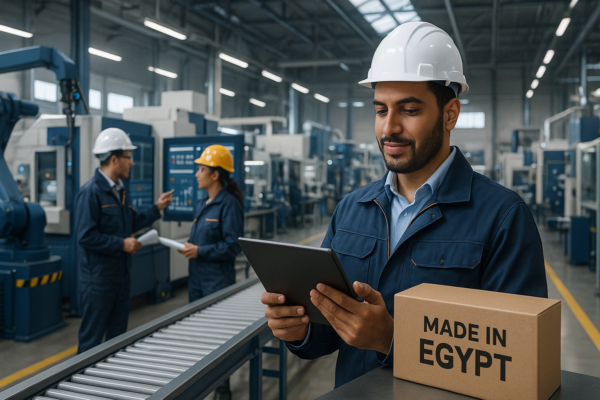
As Egyptian hardware brands gain recognition, export opportunities multiply. Strategic partnerships with international distributors and e-commerce platforms enable startups to scale globally without relocating operations. The “Made in Egypt” label is becoming synonymous with reliability and innovation.
Collaborative Ecosystem Growth
The next decade will see deeper collaboration between academia, industry, and government to support product innovation. Shared resources, joint research, and regional manufacturing clusters will strengthen Egypt’s position as a global hardware hub.
With continued investment and collaboration, Egypt’s hardware startups are set to define the future of manufacturing innovation in the region.
Conclusion
The making of a successful Egyptian hardware startup requires vision, discipline, and the right partners. From ideation to mass production, every phase demands precision and collaboration. Egypt’s growing manufacturing ecosystem — powered by innovation, local expertise, and integrated partners like One Stack — offers entrepreneurs the platform to turn bold ideas into world-class products.
For founders, the path forward is clear: focus on solving real problems, design with purpose, and build scalable systems that sustain growth. As Egypt continues to rise as a manufacturing and innovation hub, its hardware startups will not only create products but also shape the nation’s industrial future. Partnering with experienced development firms ensures that clarity, speed, and control remain the guiding principles of every successful venture.