Introduction
In an increasingly complex global manufacturing landscape, the ability to maintain total control over your production process has become a strategic advantage. Entrepreneurs, innovators, and procurement leaders alike are seeking smarter ways to bring their products to life—without the inefficiencies of juggling multiple suppliers. This is where the concept of working with one integrated manufacturing partner emerges as a game-changer.
In Egypt, a new generation of advanced manufacturers is reshaping how products are made. With strong industrial infrastructure, competitive costs, and a skilled workforce, Egyptian manufacturing offers global quality with local agility. Companies like One Stack exemplify this evolution, giving businesses the ability to manage the entire journey—from idea to market—with clarity, speed, and control.
This article explores how the single-partner manufacturing model delivers smarter outcomes. We’ll examine why consolidating your design, prototyping, and production under one roof enhances efficiency, reduces risk, and accelerates innovation. By the end, you’ll understand why Egypt’s integrated manufacturing ecosystem represents the future of smart production partnerships.
The Changing Manufacturing Landscape
Global manufacturing has entered a new era—defined by volatility, supply chain disruption, and rising demand for customization. Businesses can no longer afford fragmented production models that lack visibility and coordination.
From Fragmentation to Integration
Traditionally, product development involved multiple suppliers across design, prototyping, and production. This fragmentation often led to miscommunication, delays, and inconsistent quality. The integrated model replaces this with a single accountable partner who manages the entire process. The result? Faster decision-making and greater transparency across every stage.
Global Trends Driving Change
Manufacturers worldwide are adopting digital transformation and nearshoring strategies to minimize risk. Egypt’s geographic position between Europe, Africa, and the Middle East makes it an ideal production hub for global brands. With rising transport costs and supply chain instability, local manufacturing with international standards has become the smarter choice.
Why Egypt Is Gaining Momentum
Egypt’s manufacturing advantage lies in its balance of quality, cost, and scalability. The country’s industrial zones host modern factories equipped with advanced machinery and skilled engineers. Local partners like One Stack harness this infrastructure to provide end-to-end manufacturing solutions that compete globally while staying cost-effective.
As businesses seek resilience and speed, integrated Egyptian manufacturing stands out as a strategic pivot point for global brands.
Understanding the Single-Partner Manufacturing Model
The single-partner model redefines how companies manage product development. Instead of coordinating multiple vendors, you work with one accountable partner who owns the entire process—from data gathering to delivery.
End-to-End Accountability
With one partner managing all stages—design, prototyping, and production—accountability is built in. There’s no finger-pointing between suppliers. Every milestone is aligned with your vision, ensuring consistency and reducing costly errors. This streamlined approach delivers both speed and quality control.
Data-Driven Decision Making
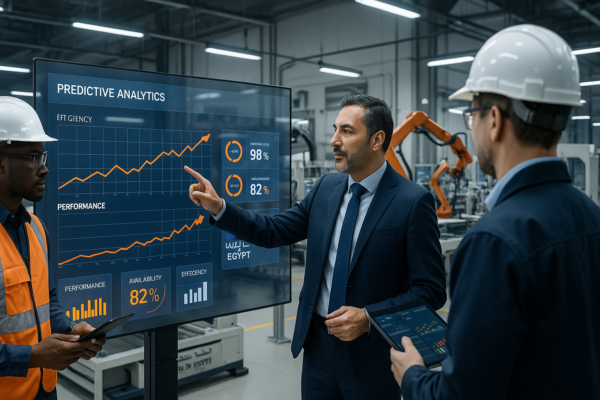
Modern manufacturing relies on accurate data. A single-partner model centralizes information flow, enabling real-time monitoring of progress, material usage, and quality metrics. This transparency empowers brands to make informed decisions quickly—eliminating guesswork and inefficiency.
Design-to-Production Continuity
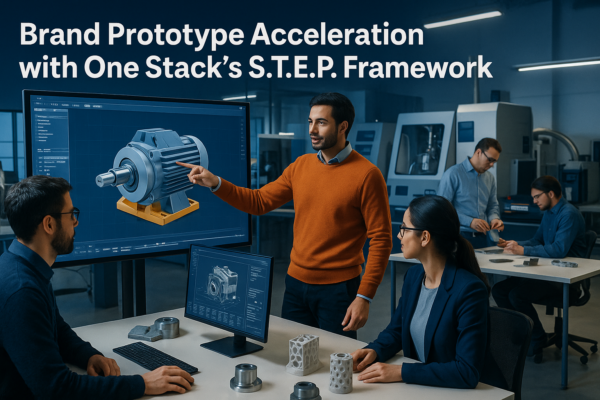
When design and production teams operate under one roof, prototypes transition seamlessly into manufacturing. Changes can be tested and implemented faster, reducing time-to-market. This integration minimizes rework and ensures that what’s designed is precisely what’s produced.
The Role of One Stack
As an integrated manufacturing partner, One Stack exemplifies this model. By coordinating Egypt’s network of certified factories, it gives clients a single point of control—without the complexity of managing multiple suppliers. The result is reliable production, transparent pricing, and accelerated product launches.
In essence, one partner means one source of truth, one accountable team, and one seamless pathway from concept to market.
Common Challenges in Traditional Manufacturing
Many businesses underestimate the hidden costs of managing multiple suppliers. From communication breakdowns to quality mismatches, traditional manufacturing models often create more problems than they solve.
Communication Gaps and Misalignment
When multiple vendors handle different stages, information gets lost in translation. Design changes may not reach the production floor accurately, leading to errors and wasted resources. A unified communication channel eliminates these gaps, ensuring all teams work from the same blueprint.
Inconsistent Quality Standards
Each supplier may follow different quality control processes, resulting in variations between batches or components. This inconsistency affects brand reputation and customer satisfaction. Integrated manufacturing enforces uniform standards across all phases, ensuring every product meets specification.
Hidden Costs and Delays
Coordinating multiple vendors adds administrative overhead. Every handoff introduces potential delays and extra costs. Consolidating under one partner eliminates redundancy, reduces procurement complexity, and provides predictable timelines and budgets.
Limited Visibility and Control
Fragmented systems make it hard to track progress or trace accountability. Without unified oversight, small issues escalate unnoticed. The single-partner model provides end-to-end visibility, empowering decision-makers to intervene proactively and maintain control.
Recognizing these challenges is the first step toward adopting a smarter, more controlled manufacturing approach.
Advantages of a Single Manufacturing Partner
Partnering with one integrated manufacturer delivers tangible benefits across cost, quality, and speed. It’s not just operationally efficient—it’s strategically transformative.
Speed to Market
With unified workflows, decisions move faster. Design updates, material sourcing, and production scheduling happen simultaneously. Businesses can launch new products weeks or even months earlier than traditional methods allow.
Enhanced Quality Assurance
One integrated partner ensures that quality is monitored at every step. Automated inspection systems, standardized testing, and continuous feedback loops lead to higher consistency and fewer defects. This results in improved brand trust and customer loyalty.
Cost Efficiency
Eliminating middlemen reduces overhead and administrative costs. Predictable pricing models and reduced rework translate into measurable savings. Egyptian manufacturing, in particular, combines affordability with international quality—a rare combination for growing brands.
Stronger Collaboration and Innovation
When engineers, designers, and production teams collaborate closely, innovation accelerates. Ideas can be tested and refined quickly. This synergy fosters a culture of continuous improvement, vital for staying competitive in dynamic markets.
In short, working with one trusted partner transforms manufacturing from a logistical challenge into a strategic advantage.
Implementing the One-Partner Model Effectively
Transitioning to a single manufacturing partner requires planning and alignment. Success depends on choosing the right partner, defining clear expectations, and establishing transparent communication systems.
Step 1: Define Your Objectives
Clarify what you aim to achieve—whether it’s cost reduction, faster production, or improved quality control. Setting measurable goals ensures both parties align from the start and evaluate progress effectively.
Step 2: Evaluate Capabilities and Fit
Assess your potential partner’s technical expertise, industry experience, and capacity. Look for partners like One Stack that manage design, prototyping, and production through a certified factory network. This ensures scalability and reliability at every stage.
Step 3: Establish Transparent Communication
Implement digital project management tools to track milestones, share updates, and maintain visibility. Transparency builds trust and enables rapid decision-making, especially when timelines are tight.
Step 4: Prioritize Continuous Improvement
Even after production begins, ongoing evaluation is key. Review performance metrics, identify bottlenecks, and optimize processes regularly. A true manufacturing partner will evolve with your business, not just fulfill orders.
Implementing this model isn’t just about outsourcing—it’s about building a partnership that drives growth, innovation, and long-term success.
Best Practices for Maintaining Control and Clarity
Once the single-partner model is in place, maintaining clarity and control ensures sustainable performance. The following best practices help maximize the partnership’s value.
Establish Clear Specifications
Define product requirements, tolerances, and quality benchmarks early. Clear documentation minimizes ambiguity and ensures every batch meets expectations. A shared understanding eliminates disputes and enhances accountability.
Leverage Technology for Visibility
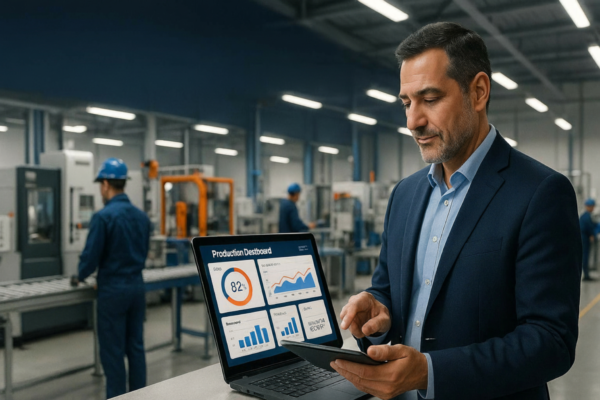
Use cloud-based dashboards and production tracking tools to gain real-time insight into progress. Visibility across the supply chain supports better forecasting, reduces downtime, and enhances responsiveness to market changes.
Align on Quality Metrics
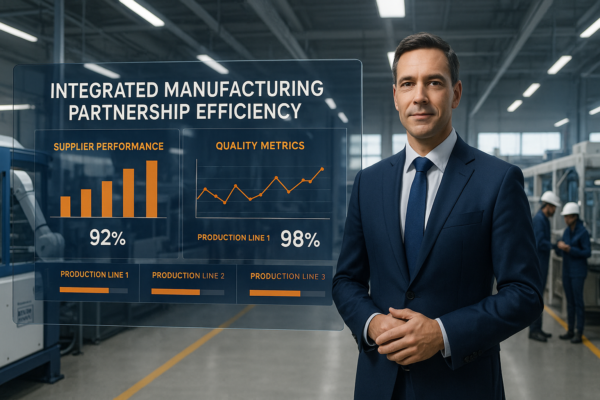
Agree on key performance indicators (KPIs) such as defect rates, delivery accuracy, and lead times. Regularly review these metrics to maintain alignment and continuous improvement. Data-driven accountability builds trust between both parties.
Foster a Partnership Mindset
Approach your manufacturer as an extension of your team, not just a vendor. When collaboration is mutual, innovation thrives. Companies that treat their manufacturing partner as a strategic ally achieve stronger results and faster adaptation to change.
These practices ensure that “one partner, total control” is more than a slogan—it’s a sustainable operating philosophy.
The Future of Integrated Manufacturing in Egypt
As global supply chains evolve, Egypt’s integrated manufacturing ecosystem is poised for growth. The convergence of technology, talent, and location positions Egypt as a rising hub for smart, sustainable production.
Digital Transformation in Manufacturing
Automation, IoT-enabled machinery, and AI-driven analytics are transforming how factories operate. Egyptian manufacturers are adopting these technologies to boost efficiency and traceability, aligning with global Industry 4.0 standards.
Growing International Partnerships
As more global brands discover Egypt’s manufacturing potential, partnerships are expanding. Integrated service providers like One Stack bridge the gap between local capability and international demand, enabling export-ready production at scale.
Sustainability and Local Value Creation
Egypt’s industrial sector is also embracing sustainability—from energy-efficient factories to recyclable materials. By choosing local manufacturing, brands reduce carbon footprints while contributing to regional economic growth.
The future belongs to those who combine global vision with local execution—and Egypt is ready to lead that transformation.
Conclusion
Choosing one manufacturing partner isn’t just a logistical decision—it’s a strategic move toward clarity, speed, and control. By integrating design, prototyping, and production, companies eliminate friction and gain the agility needed to compete globally.
Egypt’s manufacturing ecosystem, powered by integrated partners like One Stack, offers a compelling blend of quality and cost efficiency. Whether you’re a startup scaling your first product or an established brand optimizing your supply chain, the one-partner model ensures transparency, accountability, and consistent results.
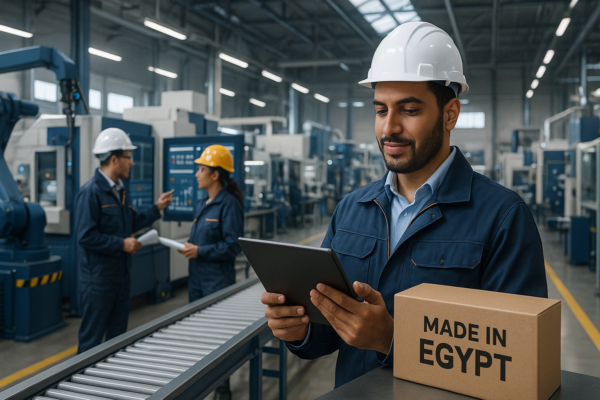
In the coming years, the smartest manufacturers won’t be those with the biggest networks—but those with the most unified partnerships. The future of production is integrated, data-driven, and proudly made in Egypt.