Introduction
In a world where supply chains shift overnight and global markets evolve unpredictably, agility has become the most prized asset in manufacturing. Yet, few regions embody this concept as authentically as Egypt. The term true agility—the ability to adapt swiftly while maintaining quality and control—has been redefined by Egyptian manufacturers who navigate complexity with remarkable precision and creativity.
This article explores how Egypt’s manufacturing ecosystem demonstrates real-world agility through flexible production systems, rapid prototyping, and integrated partnerships. It also reveals how organizations like One Stack help global brands bring products to life faster and smarter. By the end, you’ll understand not just what agility means in theory, but how it’s practiced daily on the factory floors of Egypt—turning challenges into competitive advantage.
The Global Demand for Manufacturing Agility
Agility has evolved from a buzzword into a survival strategy. As product lifecycles shrink and market expectations rise, manufacturers must innovate quickly without losing consistency.
Why Agility Matters More Than Ever
Traditional manufacturing models struggle to keep pace with modern consumer behavior. Customers expect customized products, faster delivery, and transparent processes. Agility enables manufacturers to respond to these demands while managing risk and cost. It’s not about speed alone; it’s about flexibility and decision-making clarity at every stage of production.
The Shift from Efficiency to Responsiveness
For decades, efficiency ruled manufacturing KPIs. Today, responsiveness defines success. Agility empowers manufacturers to pivot instantly—from material sourcing to product design—without destabilizing operations. Egyptian manufacturers, operating in dynamic regional markets, have refined this balance between efficiency and adaptability.
Global Case for Adaptive Production
In global supply chains, disruptions such as shipping delays or material shortages test resilience. Agile production environments mitigate these risks by decentralizing decision-making and emphasizing cross-functional collaboration. Egypt’s manufacturers are proving that smaller, smarter systems often outperform massive, rigid ones.
Understanding global agility trends sets the stage for exploring how Egypt’s manufacturers embody these principles in practice.
How Egyptian Manufacturers Embody True Agility
Egyptian manufacturing has evolved through necessity—adapting to fluctuating markets, diverse clients, and limited resources. This has forged a culture of innovation, speed, and control that defines true agility.
Adaptive Production Frameworks
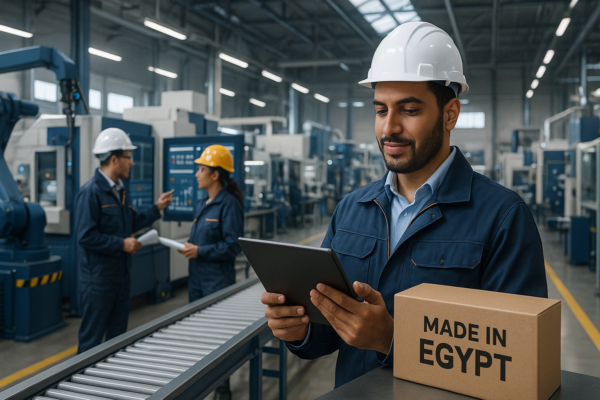
Egyptian manufacturers excel at rapid reconfiguration. Production lines can shift between different product types within hours, not days. This flexibility stems from modular systems, trained workforces, and strong communication channels between design, engineering, and production teams. The result: consistent output despite changing requirements.
Collaborative Supply Networks
Unlike isolated factories, Egypt’s manufacturing ecosystem thrives on interconnectivity. Networks of specialized suppliers collaborate seamlessly, sharing data and resources to shorten lead times. This cooperative agility allows small and medium enterprises to compete with global giants by pooling expertise and capacity.
Data-Driven Decision Making
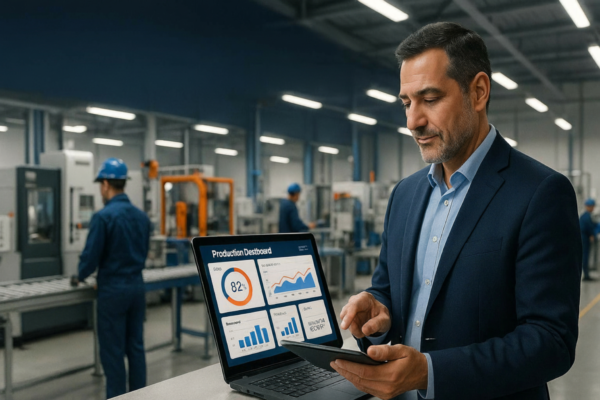
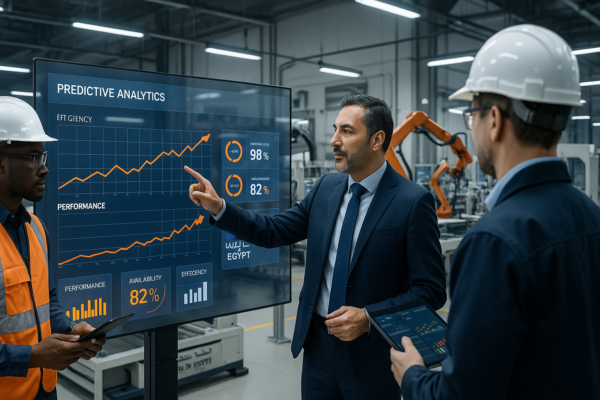
Digital transformation has accelerated agility in Egypt. Real-time production monitoring, predictive maintenance, and AI-driven scheduling optimize performance. Manufacturers use these tools to anticipate issues before they arise—turning potential disruptions into opportunities for improvement.
These practices highlight that true agility isn’t theoretical—it’s operational and cultural, embedded in how Egyptian manufacturers think and act daily.
Challenges That Shape Egyptian Manufacturing Agility
Agility is often born from constraint. Egypt’s manufacturing landscape faces unique challenges that, paradoxically, have strengthened its adaptive capabilities.
Resource Limitations as Innovation Drivers
Scarcity often inspires creativity. Egyptian manufacturers frequently operate with limited access to imported materials or technologies. Instead of stalling, they innovate—developing local alternatives or redesigning processes to achieve similar outcomes. This mindset fosters resilient problem-solving and process efficiency.
Balancing Cost and Quality
Maintaining competitive pricing while meeting global quality standards is a constant challenge. Through continuous improvement and lean methodologies, Egyptian manufacturers strike a careful balance. By optimizing workflows and reducing waste, they achieve cost-effectiveness without compromising product integrity.
Workforce Empowerment and Training
Agility depends on people as much as processes. Egypt’s manufacturing workforce is increasingly skilled in digital tools, design interpretation, and cross-functional collaboration. Ongoing training programs ensure that teams can handle multiple roles, accelerating adaptation when market needs shift suddenly.
These challenges, far from hindering growth, have shaped a manufacturing ecosystem defined by resilience, flexibility, and forward-thinking innovation.
Strategies for Achieving Manufacturing Agility
Egyptian manufacturers have refined several strategies that global producers can adopt to enhance agility and competitiveness.
Integrating Design and Production
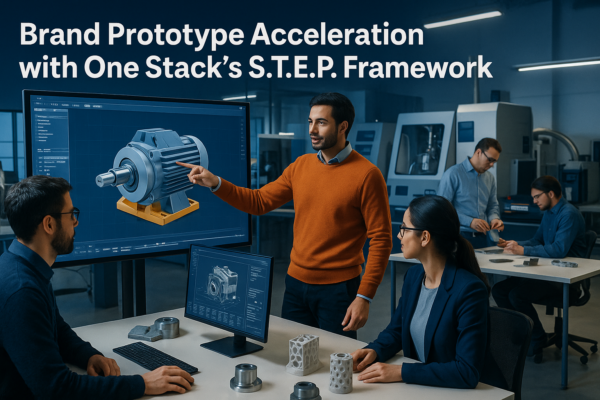
True agility starts with alignment between product design and manufacturing. In Egypt, design teams work closely with production engineers from the earliest stages. This reduces costly redesigns and accelerates time to market. One Stack’s integrated product development model exemplifies this seamless coordination across functions.
Leveraging Local Manufacturing Ecosystems
Agility thrives in proximity. By collaborating with local suppliers and manufacturers, companies reduce logistics complexity and gain faster feedback loops. Egypt’s dense network of certified factories enables rapid prototyping and small-batch testing before scaling production globally.
Implementing Lean and Digital Systems
Lean principles eliminate waste, while digital systems improve visibility. Combining both creates an agile production environment where decisions are data-informed and continuous improvement is ingrained. Egyptian manufacturers increasingly use IoT sensors and ERP integration to synchronize operations in real time.
These strategies demonstrate how agility can be systematically built—through integration, collaboration, and technology adoption.
Implementing Agility in Global Operations
Global manufacturers can learn from Egypt’s practical approach to agility by applying similar principles in their operations.
Start Small, Scale Fast
Egyptian factories often pilot new processes on a small scale before rolling them out widely. This controlled experimentation reduces risk and builds confidence. Global firms can adopt this incremental model to test innovations quickly without disrupting large-scale production.
Empower Local Decision-Making
Agility requires autonomy. In Egypt, decision-making often occurs at the production-floor level, enabling rapid responses to issues. Global organizations can replicate this by decentralizing authority and trusting frontline teams with real-time problem-solving capabilities.
Build Strategic Partnerships
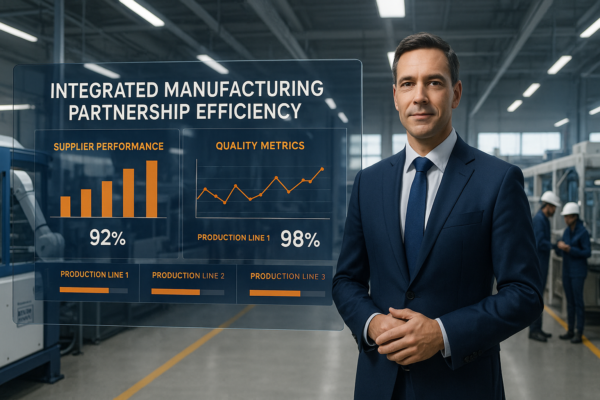
Rather than outsourcing to multiple vendors, many Egyptian manufacturers form long-term partnerships that align incentives and share risks. Companies like One Stack serve as single-point partners—managing everything from design to delivery—ensuring accountability and speed.
When implemented thoughtfully, these approaches turn agility from aspiration into operational reality across global supply chains.
Best Practices for Sustaining Agility
Maintaining agility over time requires continuous learning and system optimization. Egyptian manufacturers offer several lessons in sustaining momentum.
Continuous Feedback Loops
Ongoing feedback between design, production, and customers ensures alignment. Egyptian firms regularly review performance metrics and incorporate client input into future iterations, fostering a culture of improvement and transparency.
Investing in Digital Literacy
Technology drives agility, but people enable it. Continuous digital training ensures teams can leverage new tools effectively. Egyptian manufacturers’ commitment to upskilling has accelerated their transition into Industry 4.0 readiness.
Maintaining Supplier Resilience
Agility depends on reliable partners. Egypt’s ecosystem emphasizes long-term supplier relationships built on trust and data sharing. This stability allows rapid adjustment without sacrificing consistency or quality.
These best practices demonstrate that agility is not a one-time achievement—it’s a continuous, deliberate process of evolution and learning.
The Future of Agility in Egyptian Manufacturing
As global manufacturing enters a new era of digital transformation, Egyptian manufacturers are poised to lead by example. Their agility, once a response to necessity, is becoming a deliberate strategy for competitive differentiation.
Digital Transformation and Industry 4.0
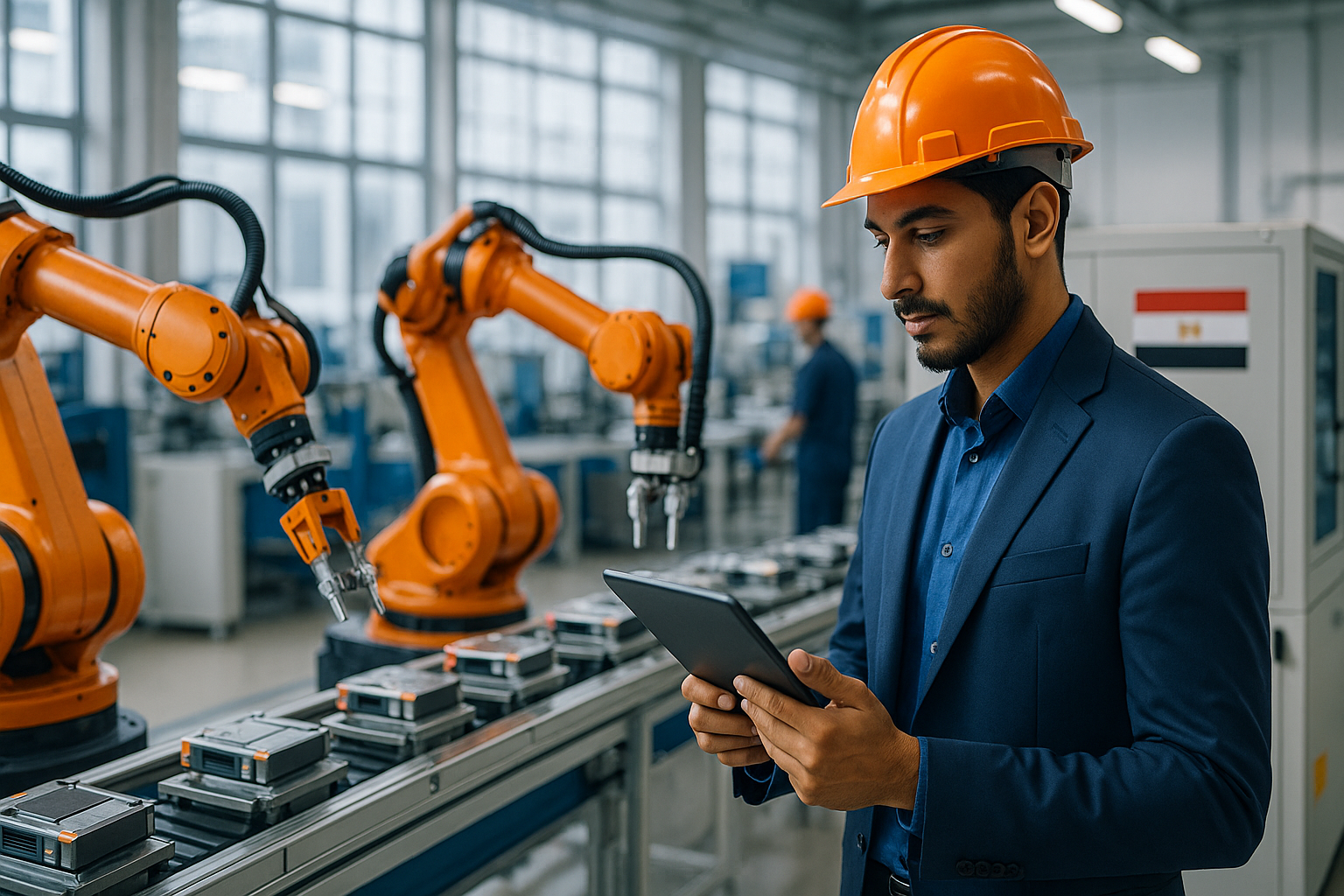
Automation, robotics, and smart analytics are reshaping production. Egyptian manufacturers are embracing these technologies to boost precision, reduce waste, and enhance flexibility. The integration of digital twins and AI-driven insights will further elevate agility to predictive levels.
Sustainable and Circular Manufacturing
Agility increasingly intersects with sustainability. Egypt’s manufacturers are adopting circular practices—recycling materials, optimizing energy use, and designing for longevity. This forward-thinking approach aligns agility with environmental responsibility.
Global Collaboration Opportunities
Egypt’s strategic location positions it as a bridge between Africa, the Middle East, and Europe. As global supply chains diversify, Egyptian manufacturing offers a model for regional resilience and global collaboration rooted in agility and trust.
The future belongs to those who can adapt fast and act decisively—and Egypt’s manufacturing ecosystem is already showing the way.
Conclusion
True agility is more than reacting quickly—it’s anticipating change and turning it into opportunity. Egyptian manufacturers have mastered this balance through adaptability, collaboration, and innovation. Their experience offers a blueprint for global producers seeking resilience in uncertain markets.
From flexible production systems to integrated partnerships, the lessons from Egypt’s manufacturing sector reveal that agility is both a mindset and a methodology. Organizations that adopt these principles will not only survive disruptions but thrive through them. For companies seeking to translate these insights into action, integrated partners like One Stack provide the clarity, speed, and control needed to build truly agile operations.
In the end, agility isn’t just what Egyptian manufacturers do—it’s who they are. And that identity holds powerful lessons for the future of global production.